
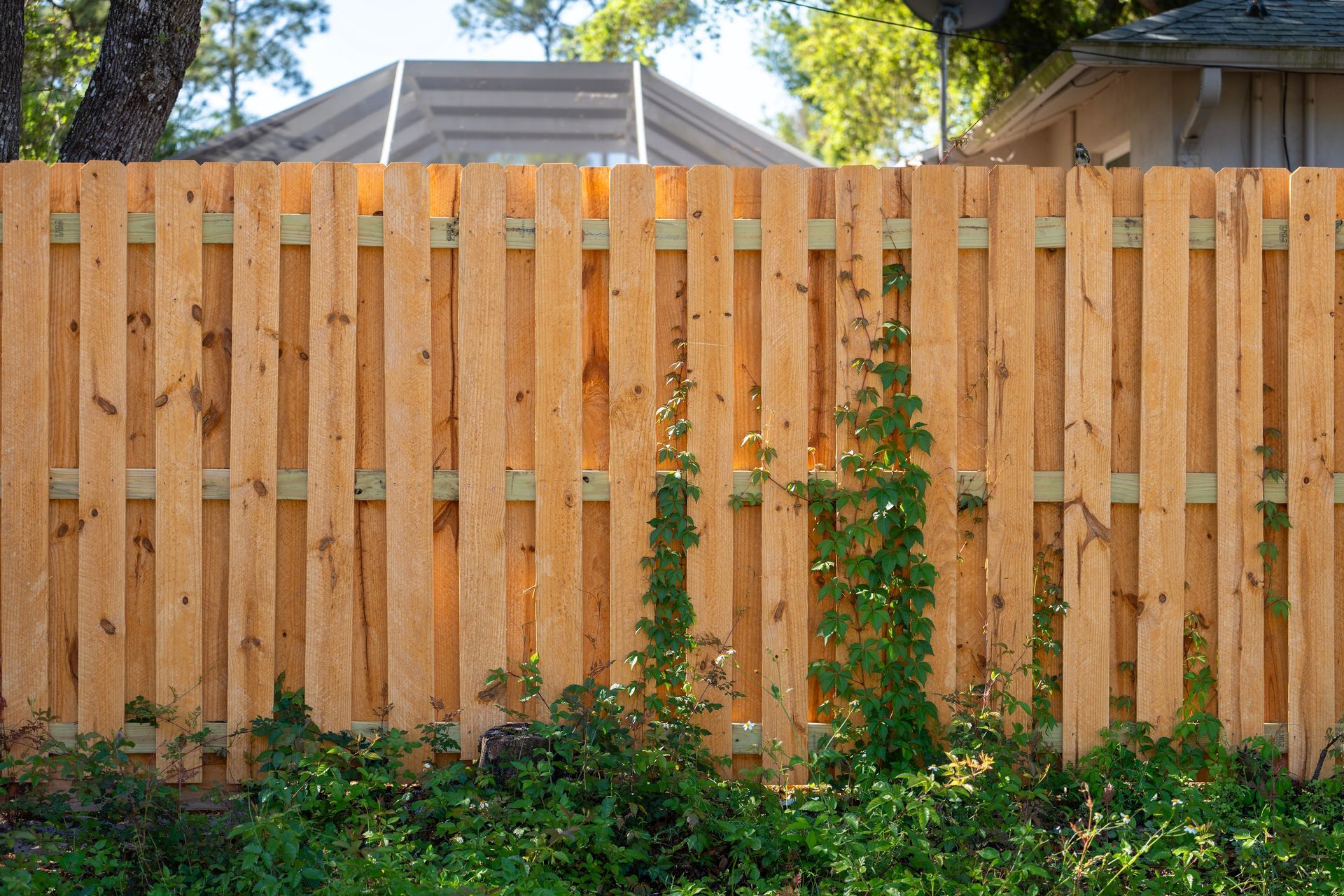
Natural Barriers That Frame Your Yard
Wood Fence Installation in Lake Norman for homeowners seeking classic privacy designs that complement landscaping and architectural styles
Wood fencing continues to dominate residential privacy projects because it creates complete visual separation while blending naturally with outdoor spaces—solid board panels block sightlines from neighboring properties, and the organic texture weathers into surrounding landscaping rather than standing out as an artificial barrier. Homeowners throughout Lake Norman choose wood when they want traditional backyard enclosure that feels less industrial than vinyl or metal alternatives. Properties with mature trees, garden beds, or natural stone features particularly benefit from wood's ability to age alongside existing landscape elements.
A & W Fencing, LLC installs wood fences using cedar or pressure-treated lumber depending on appearance priorities and maintenance expectations—cedar naturally resists insect damage and weathers to a silver-gray patina without treatment, while pressure-treated pine costs less upfront and accepts stain or paint for homeowners wanting specific color control. Installation styles include solid privacy panels, shadowbox designs that allow partial airflow, and board-on-board configurations that eliminate sightline gaps while creating dimensional visual interest.
Request a material comparison consultation to see actual cedar and treated lumber samples and discuss design options for your property layout.
What You Notice Once Wood Fencing Is Finished
Proper wood fence installation requires posts set below the frost line in concrete footings, with horizontal rails attached using galvanized fasteners that won't rust and stain the wood—panels must sit slightly above ground level to prevent soil contact that accelerates rot, and gate frames need diagonal bracing to counteract the leverage forces that cause sagging over time. In Lake Norman's clay soils, inadequate drainage around post footings causes seasonal shifting that pulls panels out of alignment within the first year.
After installation, your backyard transforms from an open, exposed space into a defined outdoor room where conversations stay private, pets roam without supervision, and outdoor furniture arrangements feel intentional rather than scattered. Wind noise diminishes behind solid panels, and neighbors no longer see into kitchen windows or patio areas during evening hours. The fence line also creates natural separation for garden zones, play areas, or pool enclosures.
Wood fences do require periodic maintenance to maximize lifespan—applying water-repellent sealant every two to three years protects against moisture damage and UV fading, while annual inspections catch loose boards or failing fasteners before structural problems develop. Homeowners who skip maintenance typically see board warping, post rot at soil level, and premature gate failure, reducing fence life from 15-20 years down to less than a decade.
Answers to Frequent Service Questions
Wood fence projects generate specific questions about material longevity, maintenance requirements, and design choices that affect both appearance and durability.
What distinguishes cedar from pressure-treated lumber for fencing?
Cedar contains natural oils that repel insects and resist decay without chemical treatment, maintains dimensional stability with less warping, and weathers to an attractive gray color, while pressure-treated pine costs significantly less but requires sealant application to prevent moisture damage and can twist or cup as it dries after installation.
How does board spacing affect privacy and durability?
Solid privacy fences with boards placed edge-to-edge create complete visual barriers but trap moisture and limit airflow, increasing rot potential, whereas shadowbox designs with alternating boards on each side of the rails provide near-total privacy while allowing wind passage that reduces panel stress during Lake Norman storms.
When should wood fences receive initial sealing or staining?
Newly installed pressure-treated lumber needs several months to dry before accepting stain—applying finish too early traps moisture inside the wood and causes premature deterioration, while cedar can be sealed immediately or left untreated to develop natural weathering depending on aesthetic preference.
What causes wood fence gates to sag over time?
Gates lacking diagonal brace boards from top hinge-side corner to bottom latch-side corner experience gravitational stress that pulls the frame out of square, causing the latch edge to drop and drag—proper bracing transfers weight along the brace rather than through fasteners alone.
How far should fence boards sit above ground level?
Installing bottom boards with two to three inches of clearance prevents soil contact and splash-back during rain, reducing rot at board ends—fences installed directly on ground level typically show decay within three to five years regardless of wood type.
A & W Fencing, LLC builds wood fences throughout Lake Norman using construction methods that prioritize structural longevity and natural integration with residential landscapes. Schedule a property visit to explore custom wood fence designs, review material options, and receive installation timeline estimates based on your project scope.