Enclosed Yards That Block Sightlines Completely
Privacy Fencing Solutions in Lake Norman for backyards requiring full visual screening and outdoor spaces designed for family use
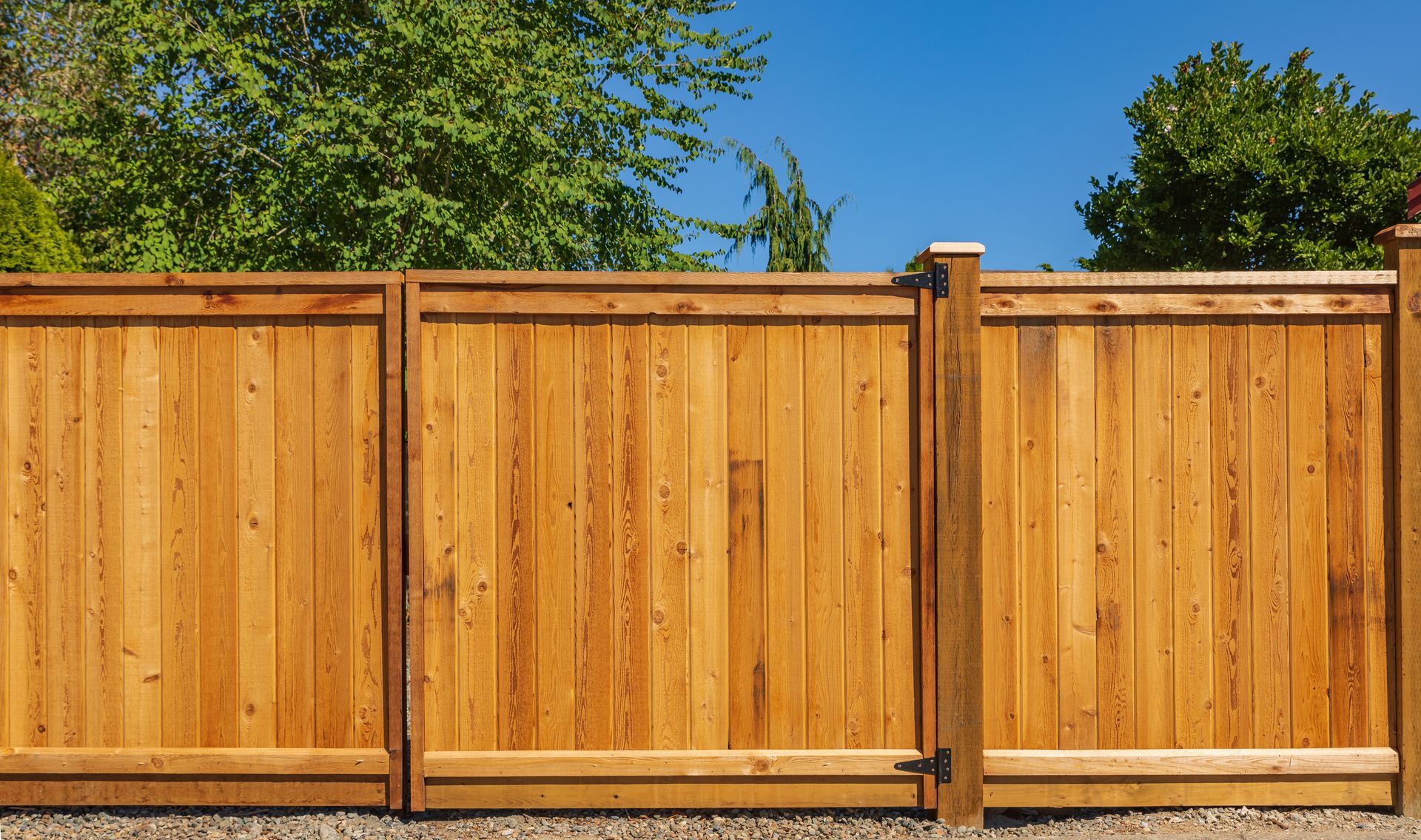
Backyard privacy disappears when neighbors overlook your deck, when street traffic sees into your pool area, or when nearby homes sit close enough that outdoor conversations carry across property lines without obstruction. Privacy fencing transforms these exposed yards into enclosed outdoor rooms where visibility ends at the fence line and outside noise decreases noticeably once solid panels block direct sound transmission. A & W Fencing, LLC installs wood and vinyl privacy systems across Lake Norman neighborhoods, designing layouts that account for existing landscaping, setback requirements, and how the fence integrates with gates, corners, and transitions between different yard sections.
Privacy fence construction uses vertical boards or molded vinyl panels mounted to horizontal rails, creating a continuous barrier typically six feet tall that eliminates sightlines from neighboring properties and passing pedestrians. Wood options include pressure-treated pine or cedar with board-on-board or tongue-and-groove configurations that prevent gaps from developing as lumber dries and shrinks. Vinyl systems use interlocking panels that won't rot, warp, or require staining, though they lack the natural appearance some property owners prefer and can become brittle during extreme cold snaps if impacted.
Request a customized privacy fencing design that reflects your yard's dimensions and landscaping features.
How Material Choice Affects Appearance and Upkeep
Wood fencing requires periodic staining or sealing to prevent weathering and surface cracking, with maintenance intervals ranging from two to five years depending on sun exposure, moisture levels, and whether you prioritize preserving the original color or allow the wood to age naturally. Vinyl eliminates finishing work but limits color selection and doesn't offer the same structural feel as wood when installed along property lines that experience wind exposure or where tree limbs occasionally contact the fence during storms. Post installation depth and concrete footing size determine how well the fence resists wind load and ground movement in Mecklenburg County's clay soils, which expand and contract seasonally.
After installation, you notice your yard becomes a distinct outdoor space separated from neighboring properties, with conversations, children's play, and pool activity no longer visible or audible beyond the fence line. Deck areas transition into private zones where furniture placement and outdoor cooking don't require consideration of who's watching from adjacent lots. The fence also reduces wind flow across open yards, creating calmer microclimates near the house and around seating areas that were previously exposed to cross breezes.
Gate placement determines access points for lawn equipment, trash bins, and movement between front and back yards. Single gates serve pedestrian traffic, while double gates accommodate riding mowers and yard maintenance equipment that won't fit through standard three-foot openings. A & W Fencing, LLC positions gates to avoid interference with landscaping beds, air conditioning units, and utility meters while maintaining logical traffic flow around the house.
What Property Owners Usually Ask
Homeowners throughout Lake Norman frequently ask about material longevity, height restrictions, and how privacy fencing affects property value before committing to installation.
What fence height provides full privacy without violating local codes?
Six-foot fencing blocks sightlines for most residential applications and complies with typical residential zoning restrictions in Mecklenburg County, though corner lots and properties near intersections may face reduced height limits to preserve visibility for traffic safety.
How does wood privacy fencing perform in North Carolina humidity?
Pressure-treated pine resists rot and insect damage when ground contact occurs, but untreated cedar offers natural decay resistance with less chemical exposure, aging to a gray patina unless sealed regularly to maintain the original amber color.
When should I choose vinyl over wood for privacy fencing?
Vinyl eliminates the need for staining and won't split or warp like wood, making it suitable for property owners who prioritize low maintenance over natural aesthetics, though color options remain limited compared to stained wood and panel replacement costs exceed individual board repairs when damage occurs.
What post spacing prevents sagging and panel misalignment?
Posts set six to eight feet apart provide adequate support for privacy panels without requiring excessive concrete and labor, with closer spacing reserved for areas experiencing high wind exposure or where gate frames require additional anchoring to handle repeated opening cycles.
How do setback requirements affect fence placement near property lines?
Most residential properties allow fencing directly on the boundary line, but corner lots, properties with utility easements, and homes in planned communities may require surveys to confirm legal placement and avoid encroaching on restricted zones where fencing could interfere with access or violate covenants.
A & W Fencing, LLC provides material comparisons and layout options tailored to your property's specific privacy needs and maintenance preferences. Arrange a consultation to review wood and vinyl choices, discuss gate configurations, and finalize fence placement that maximizes backyard seclusion.