Barriers That Keep Children Away from Water
Pool Safety Fencing in Cherryville for residential properties with swimming pools requiring code-compliant barriers
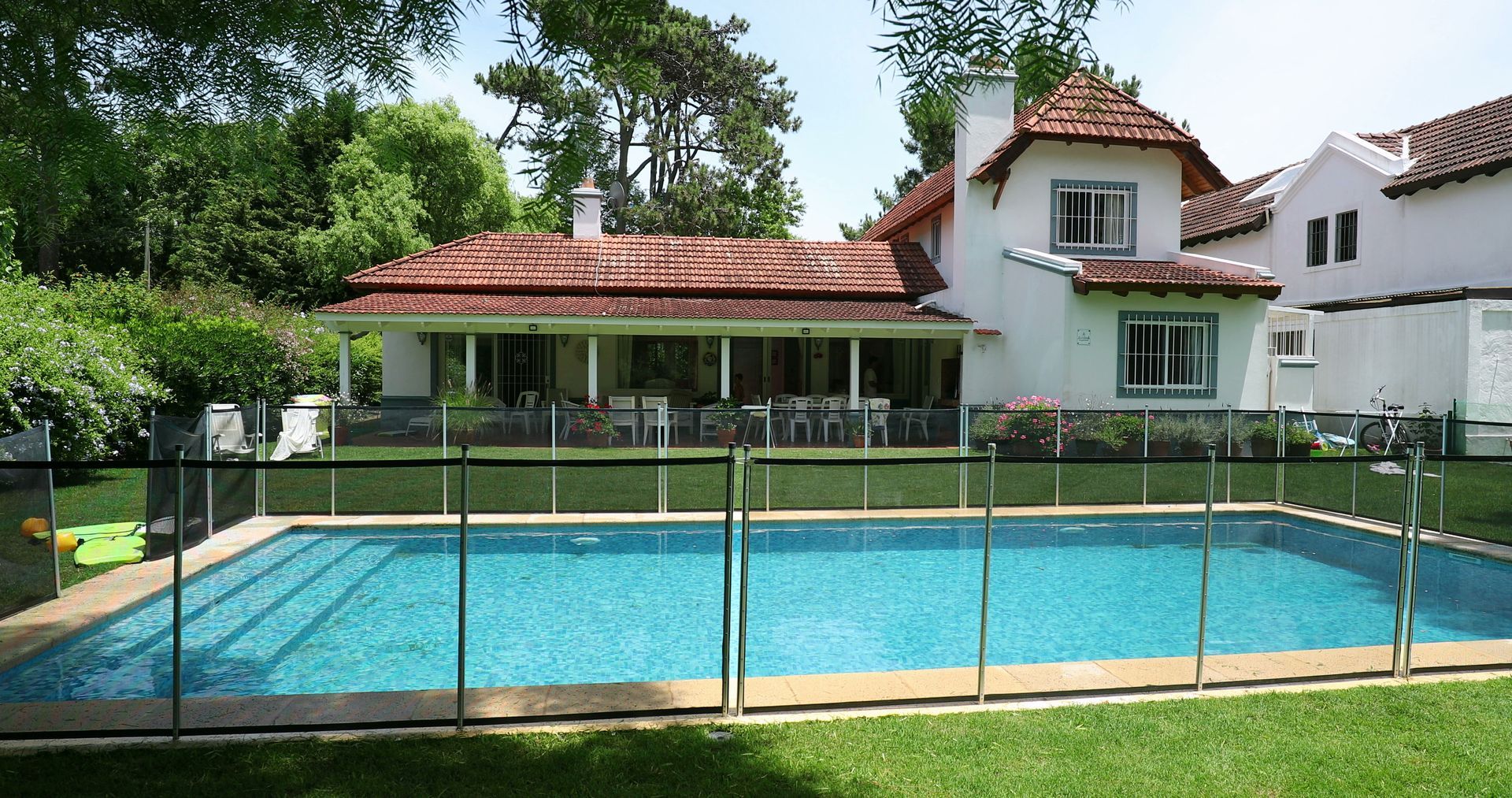
A & W Fencing, LLC installs pool safety fencing in Cherryville designed to prevent unsupervised access to residential swimming pools. You need this barrier if your property includes an in-ground or above-ground pool where local regulations mandate enclosures or if you want to reduce the risk of accidental entry by children or pets. Self-closing and self-latching gates form the critical access point in these systems, ensuring the barrier remains effective even when you forget to secure it manually.
Pool safety fencing creates a physical barrier between your yard and the water, incorporating gates that automatically return to a closed position and latch without manual intervention. These mechanisms address the most common failure point in pool barriers: gates left open after adults pass through. Aluminum is frequently selected for these installations because it resists corrosion from pool chemicals and humidity while providing clear sightlines, allowing you to monitor the pool area from your home.
Schedule a property consultation to review gate placement and fence height requirements for your pool area.
How Professional Installation Creates Effective Pool Barriers
Professional installation ensures that fence posts are set at the correct depth and spacing to prevent a child from pushing sections over or creating gaps by pulling on pickets. Gate hardware must be installed at a height that keeps latches out of reach of young children, typically four feet or higher from the ground, while the self-closing mechanism requires calibration to function reliably across temperature changes that affect metal tension. Aluminum panels are fabricated with picket spacing narrow enough to prevent a child from squeezing through, usually four inches or less between vertical members.
Once installation is complete, you will see a continuous barrier around your pool with no gaps larger than four inches at any point, including underneath the bottom rail where ground contours might otherwise create openings. The gate will swing closed on its own from any open position and latch audibly, providing confirmation that the barrier is secure. You will no longer need to check whether the pool area is accessible, as the system functions independently of your actions.
These systems also incorporate design options that align with your outdoor aesthetics, including powder-coated finishes in colors that match existing structures and decorative post caps that soften the industrial appearance of safety barriers. Some installations include multiple access points with coordinated gates, allowing entry from different areas of your yard while maintaining code compliance at each opening.
Questions About Pool Safety Barriers
Homeowners in Cherryville often ask about gate operation and fence durability before committing to installation.
What makes a gate self-closing and self-latching?
The gate uses a hydraulic or spring-loaded hinge that pulls it closed after you pass through, paired with a latch mechanism that engages automatically when the gate reaches the closed position, requiring a deliberate lift or twist to open again.
How tall does pool fencing need to be?
Most jurisdictions require a minimum height of 48 inches measured from the ground to the top of the fence, though some areas mandate 60 inches depending on the type of pool and surrounding structures.
Why is aluminum preferred over other materials for pool fencing?
Aluminum does not rust when exposed to splashed pool water or chlorine vapors, maintains its structural integrity without warping in humidity, and allows clear visibility so you can see into the pool area from outside the barrier.
When should I schedule installation relative to pool construction?
Fencing should be installed as soon as the pool is filled and operational, before allowing any unsupervised access to the area, particularly if children or pets live on or visit the property.
What happens if the self-closing mechanism stops working?
The hydraulic cylinder or spring tension may require adjustment or replacement over time, particularly after years of use or if the gate is repeatedly forced open beyond its normal range, so periodic testing ensures the system continues to function as designed.
A & W Fencing, LLC works with homeowners throughout Cherryville to design pool barriers that meet safety standards while fitting the layout of existing outdoor spaces. Request a site evaluation to determine gate locations and fence configurations for your property.