Maintenance-Free Boundaries Built for Durability
Vinyl & PVC Fence Installation in Lake Norman for properties where long-term appearance matters without ongoing maintenance demands
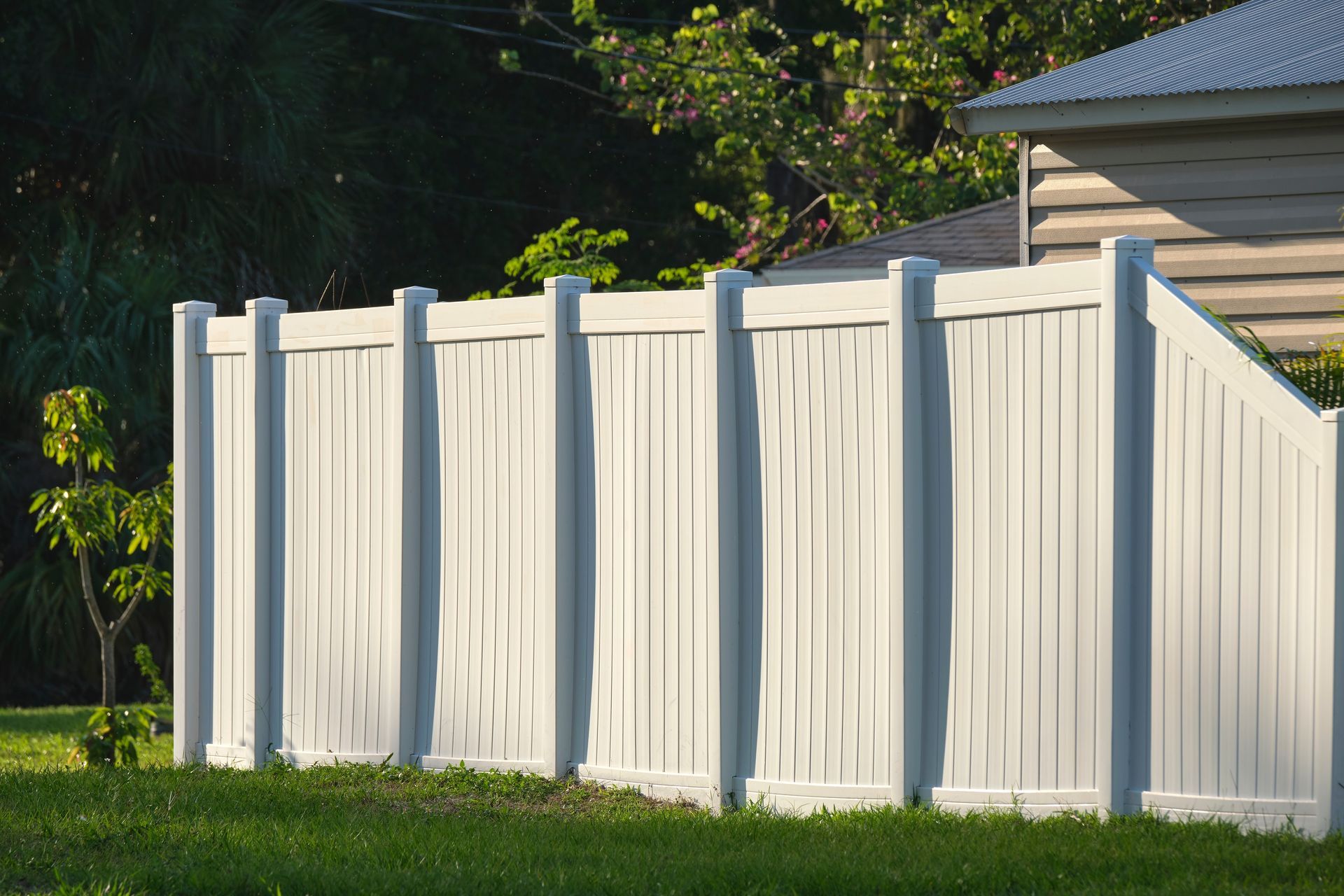
Vinyl fencing eliminates the seasonal maintenance cycle that wood requires—there's no staining, sealing, or repainting to schedule, and the material resists moisture damage, insect activity, and UV fading that deteriorate traditional fence materials over time. Homeowners in Lake Norman choose vinyl when they want clean, consistent curb appeal without dedicating weekends to fence upkeep. Properties near water, wooded areas with high humidity, or homes where owners travel frequently benefit most from vinyl's ability to maintain appearance without intervention.
A & W Fencing, LLC installs vinyl fencing in privacy, semi-privacy, and decorative picket styles, with color options that range from traditional white to earth-tone grays and tans that complement contemporary home exteriors. The material's cellular PVC construction provides structural strength while remaining lighter than wood, and interlocking panel systems create uniform appearance across long fence runs. Installation includes reinforced aluminum inserts in gate frames and high-stress areas to prevent flexing that causes latch misalignment.
Explore available vinyl fence styles and receive a detailed cost comparison against wood alternatives during an on-site consultation.
The Difference Between Vinyl and Traditional Fencing
Vinyl fence installation uses similar post-setting methods as wood but requires precise leveling during panel assembly—the interlocking rail-and-panel system doesn't tolerate the minor adjustments possible with wood pickets, so posts must be positioned accurately before panels slide into place. Color runs through the entire material thickness rather than existing as surface coating, meaning scratches or scuffs don't expose different-colored substrate underneath.
Once your vinyl fence is installed, you'll immediately notice the uniform color consistency across all panels and the smooth surface that sheds dirt during rainstorms rather than absorbing stains. The fence never develops the weathered gray patina or grain-raised texture that wood acquires, maintaining the same appearance year after year with nothing more than occasional washing. Privacy panels block sound transmission more effectively than gapped wood boards, and the non-porous surface prevents mold or mildew growth common on wood fences in shaded, humid areas.
Vinyl does have performance limitations—the material can become brittle in extreme cold and may crack under heavy impact, and it expands and contracts more than wood with temperature changes, requiring specific installation spacing to prevent panel buckling during summer heat. Quality vinyl fencing also costs more upfront than pressure-treated wood, though the absence of maintenance expenses typically balances total cost over the fence's lifespan.
What Property Owners Usually Ask
Vinyl fencing raises particular questions about durability, color permanence, and how the material performs in varying weather conditions compared to traditional wood options.
How long does vinyl fencing maintain its original color?
Quality vinyl fencing uses UV inhibitors mixed throughout the material during manufacturing, preventing the yellowing and chalking that affects cheaper products—properly formulated vinyl maintains color consistency for 20-30 years, whereas inferior products show noticeable fading within five years of installation.
What happens to vinyl fences during Lake Norman's humid summers?
Unlike wood, vinyl doesn't absorb moisture or swell with humidity changes, preventing the warping and dimensional instability common in wood fencing—the non-porous surface also resists mold and mildew that thrive on damp wood in shaded areas under tree canopies.
When does vinyl fencing crack or fail structurally?
Impact damage from lawn equipment, falling branches, or vehicle contact can crack vinyl panels, and extreme temperature swings occasionally cause brittle failure in lower-quality products—however, individual damaged sections replace easily without affecting adjacent panels, unlike wood fences where rot spreads between connected boards.
How does cleaning vinyl fencing work?
Most dirt and organic staining rinses away with a garden hose, while stubborn marks respond to mild detergent and soft-bristle brushing—pressure washers work but should use wide-angle tips at moderate pressure to avoid surface etching.
What reinforcement prevents vinyl gates from sagging?
Aluminum frame inserts installed inside vinyl gate rails provide the structural rigidity that pure vinyl lacks—gates without metal reinforcement typically sag within two years as the vinyl flexes under repeated opening cycles and gravity stress.
A & W Fencing, LLC helps Lake Norman homeowners evaluate whether vinyl fencing aligns with their property needs, maintenance preferences, and budget expectations. Request a site visit to compare vinyl and wood samples side-by-side and discuss how each material performs in your specific yard conditions.